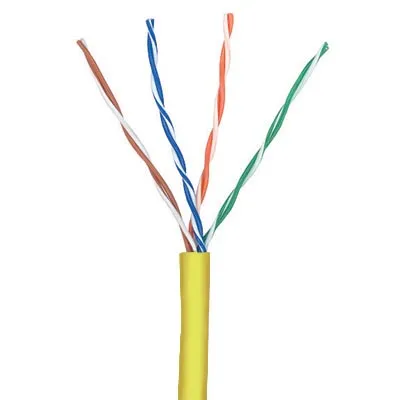

Power over Ethernet (PoE) makes structured cabling part of a building’s power infrastructure as well as its data network. In the United Kingdom, BS 7671 Amendment 4 adds dedicated PoE requirements to the IET Wiring Regulations, reinforcing the need to plan power and data together.
Published in April 2026 by the IET and the British Standards Institution, Amendment 4 adds a section that sets out requirements for PoE, including the selection of power supplies and cables for extra-low-voltage DC power delivery.
Installers can work to Amendment 4 now or continue using the version incorporating Amendments 2 and 3 until October 15th, 2026. During this transition period, installers may work to either version.

Before a project’s specifications are finalised, electrical, network and facilities teams need to align on where PoE fits into the building’s infrastructure, the power required at each device and the operating conditions the cabling will face. These decisions guide the selection of cabling, connections and power-sourcing equipment.
For refurbishments, assess whether existing cabling and connections can support the planned PoE loads. A network’s record of reliable data transmission does not establish its suitability for power delivery.

Thermal assessment is also part of PoE design. Current flowing through cable conductors generates heat, and bundling affects how readily it dissipates. Higher temperatures can increase insertion loss and reduce data performance. These effects help explain why Amendment 4’s focus on cable selection matters in practice: teams need to consider power loading, bundling and ambient temperature when assessing whether cabling is suitable for the installation.

Project teams also need to establish who verifies the completed installation and maintains its commissioning records. Keeping those records current gives future teams a reliable basis for assessing device additions or changes in power demand.
PoE can provide a flexible, scalable digital foundation for future-ready buildings. Integrating the systems it serves helps owners use that infrastructure more effectively.
Molex Connected Enterprise Solutions’ CoreSync is a connectivity platform with three architectural layers. The IoT Edge connects sensors that measure occupancy, light levels and temperature, alongside controls that adjust lighting and other supported equipment. The Digital Platform integrates this data and enables analytics and automation. The Business Outcomes layer presents insights through dashboards and reports for building owners and operators.
The platform supports interoperability across lighting, shading, sensors and smart power outlets, alongside integration with existing third-party platforms and Building Management Systems (BMS).
Bringing these systems together makes building data more accessible and actionable. Owners and operators can use shared information to align energy use with occupancy and respond to indoor environmental conditions. Coordinated decisions across systems can support operational efficiency, sustainability and occupant wellbeing.
By supporting data collection, automation and performance optimisation, CoreSync can also help teams pursue building certification objectives. CoreSync’s air-quality monitoring, for example, can help meet relevant WELL criteria. Credit contributions depend on the installed solution and the scheme’s requirements.
Planning cabling capacity and system integration together helps owners get more value from their PoE infrastructure. CoreSync provides a platform for coordinating building functions and adding supported capabilities as requirements evolve.